
Moving to Greenwich When You're Already From Somewhere Else
Most relocation guides assume you're coming from a Brooklyn apartment or a Murray Hill rental. The story goes: you got tired of the noise, you have a kid, you're ready for a backyard.
A lot of the families I work with don't fit that story.
They moved to New York first. They came from Bogotá or Santa Cruz or São Paulo or Warsaw. They built a career here, maybe got citizenship, maybe bought their first US property. Now they're looking at Greenwich.
This is a different kind of move. And most guides skip it entirely.
Greenwich Is More International Than It Looks
The reputation is old-money. White fences. Prep school blazers. That image exists, but it's not the full picture.
About 22% of Greenwich residents were born outside the United States. That's roughly 3,260 people, according to current Census data. Nearly 14% of the town's population is Latino, about 8,600 people total. The Saturday farmers market draws families who've been here for thirty years and families who just arrived. You'll hear Spanish, Portuguese, French, and Mandarin before you've finished one lap.
Fairfield County as a whole, which includes Stamford, Norwalk, and several other towns, has one of the larger Latin American populations in the Northeast. Stamford, eight miles north of central Greenwich, has the largest Bolivian community in Connecticut. The Latin American foreign-born population across Connecticut grew by more than 23% between 2010 and 2021.
This matters because community is the thing people underestimate when they move. It shows up later, after the house is set up and the school commute is figured out, when you want to find people who understand both where you came from and where you are now.
What's Different About This Move
When someone relocates from Manhattan to Greenwich, the adjustment is mostly about quiet and pace and figuring out why everyone owns so many cars. That's real but it's manageable.
When you're also adjusting to US suburban culture for the first time, the layers compound.
The small things add up: the lack of sidewalks, the assumption that everyone drives, the way neighbors interact (friendlier and less frequent than you might expect), school calendars that seem to run the parents' whole week. None of this is bad. It's just unfamiliar. And unfamiliar and bad feel the same in the first few months.
The families I've worked with who adjust well tend to find their footing faster when they're in a neighborhood with some density and walkability. That usually means Cos Cob or Old Greenwich rather than the more isolated stretches of the back country.
Neighborhoods Worth Looking at First
Cos Cob tends to be where international families land first. Prices run lower relative to the rest of Greenwich, typically $800K to $4M. It's close to the Cos Cob train station, which matters if you're still commuting to New York regularly. The neighborhood has a history of attracting people who didn't grow up in Connecticut.
Old Greenwich has strong school access and a walkable village center. If you have kids who need to feel like they're somewhere real, not just in a subdivision, Old Greenwich works. The community is tight without being closed off to newcomers.
Riverside sits between the two. Higher price points, quieter, better suited to families who already know Greenwich and have a specific sense of where they want to be.
If you're not sure yet, Cos Cob is usually the right place to start.
Schools
Greenwich public schools have English Language Learner programs. That matters if your kids are coming in mid-fluency. The district is large enough that your child won't be the only bilingual student in the room, whatever your background.
The private schools draw international students from across the region, particularly Greenwich Academy and Brunswick School. If you're considering private school, the international student population is real and not just a line in the brochure.
The enrollment windows for Greenwich public schools have hard deadlines. If you're planning a mid-year move or coming from abroad, contact the district's central office early. The process isn't complicated but it has timing requirements that catch people off guard.
The Property Question Most Guides Don't Ask
Here's something that comes up with international families that almost never comes up with domestic movers: what do you do with what you have back home?
Sometimes it's property. Sometimes it's aging parents who need a place to live, or a family home sitting empty. Sometimes someone in the family wants to build something in their home country as an investment while they're earning in dollars. The math can work. Property in parts of Latin America is priced well below what the same dollar amount would get you in Connecticut.
I help people figure out the Greenwich side. What I can't do is advise on the home-country side. But that question deserves an answer.
For families with ties to Bolivia specifically, one resource worth knowing about is Mi Casa Bolivia. Selma Estremadoiro, who founded it, is a Bolivian architect who spent years living abroad before building this business. She works with Bolivians in the US who want to buy or manage property in Santa Cruz de la Sierra. The whole process is remote: mortgage, bank paperwork, legal documentation, property selection, all handled without flying back to sign anything. She specifically addresses how US dollar incomes qualify for Bolivian mortgages, which is a common sticking point. If you're trying to buy in both places at once, that kind of focused help is worth looking into.
Before You Move: Four Things to Sort Out First
Figure out the commute before you fall in love with a house. Greenwich has two Metro-North stations on the New Haven Line. Trains from Greenwich station to Grand Central run about 45 minutes on an express. If you're in the city multiple days a week, station proximity matters more than most things.
Get a Connecticut-fluent tax advisor before you sign anything. If you have income sources in multiple countries or are coming from abroad, Connecticut's tax structure can interact with your situation in ways that a Manhattan accountant may not flag. Do this early.
Spend a weekday in any neighborhood you're seriously considering. Photographs of a house tell you almost nothing about what the street feels like at 8 AM on a school day, or whether the closest grocery store is a 15-minute drive. Weekdays show you something weekends don't.
Ask about the community before you ask about the house. Where are the other Spanish-speaking families? Is there a nearby parish that does services in Spanish? A Latin grocery, a Brazilian community, a cultural organization? These things exist in Fairfield County. Finding them before you move is easier than finding them after.
One More Thing
The families who settle into Greenwich best aren't always the ones who found the right house. They're the ones who found their people.
For international families, that community is here. It takes a bit more finding than it would in an established neighborhood in Queens or the Bronx. But the schools are good, the commute is real, and you get the backyard.
If you want to talk through which part of Greenwich makes sense for where your family is right now, I do free 30-minute strategy calls. No pressure. Just a real conversation about where you should be looking and what matters most.
Ready to find your neighborhood in Greenwich?
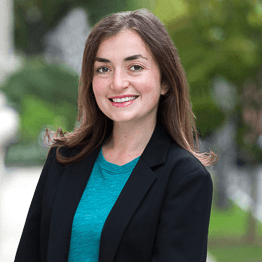
Ester Zolotnitsky
Greenwich Relocation Expert & Real Estate Consultant
Ester helps families transition from city life to the Connecticut coast. With deep knowledge of Greenwich neighborhoods, schools, and lifestyle, she provides honest, no-pressure guidance to help you find your perfect community.